Collection
Toasters
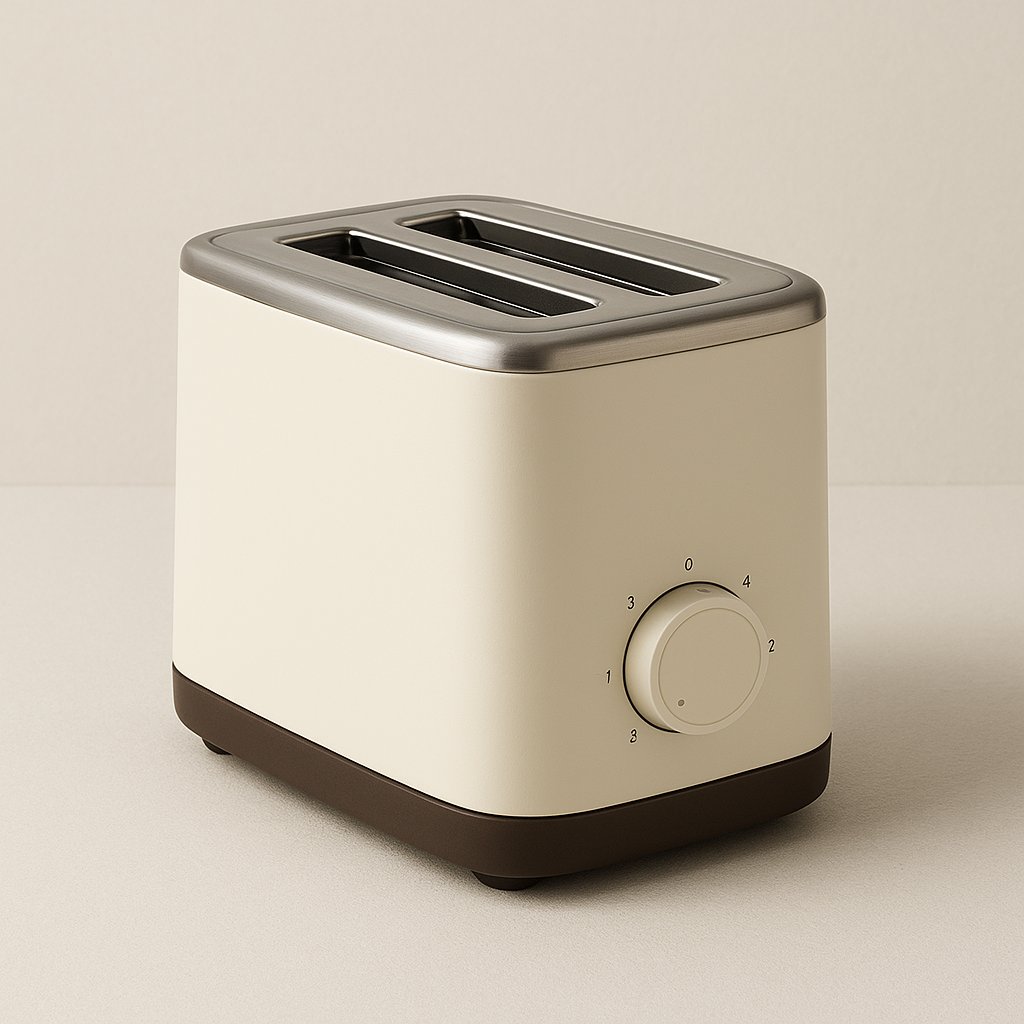
Two-slice, long-slot and four-slot toasters for different bread formats, household routines and counter widths, each with straightforward browning and cleaning details.
View CollectionCapacity, slots and counter fit
A coordinated kettle and toaster should support the household routine as convincingly as it supports the kitchen palette. Use these practical comparisons before choosing a finish.
Collection
Two-slice, long-slot and four-slot toasters for different bread formats, household routines and counter widths, each with straightforward browning and cleaning details.
View Collection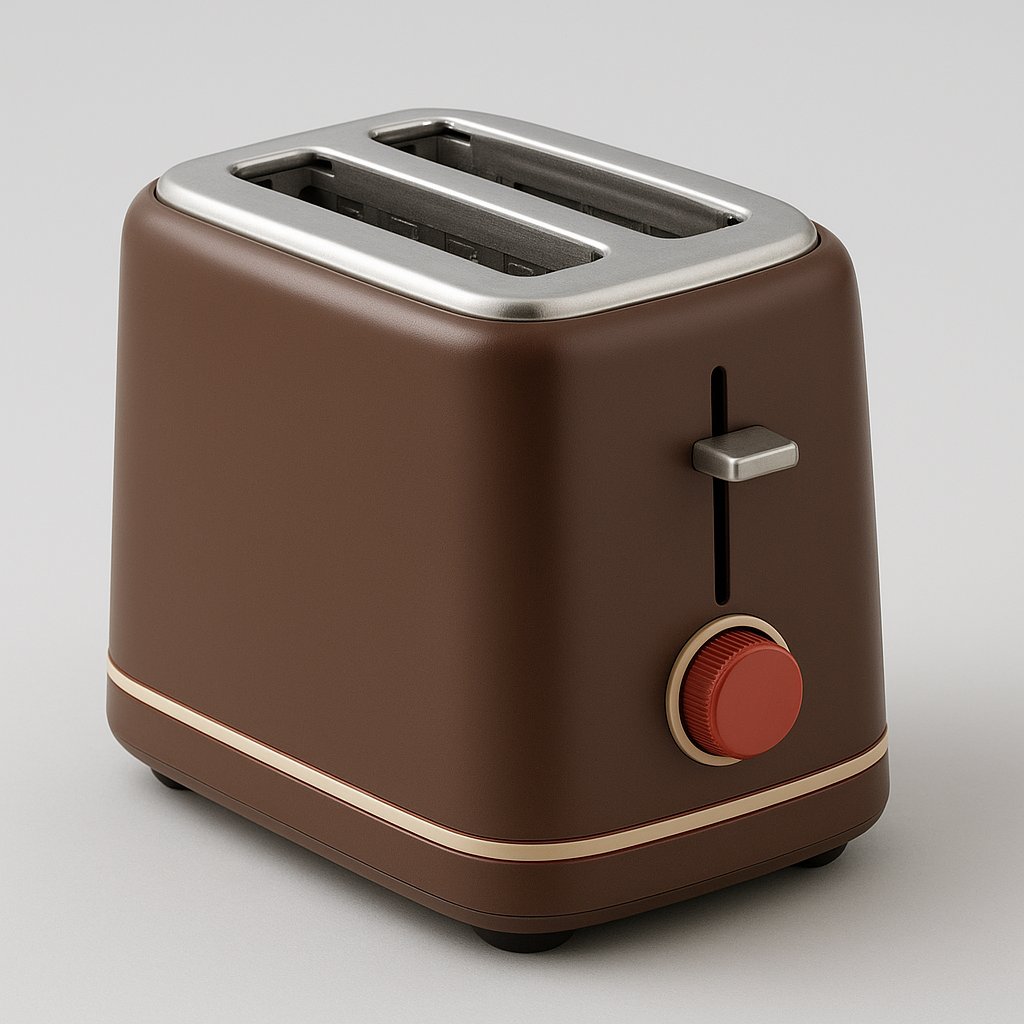
View product
A tall two-slice toaster for standard and deeper bread formats, with defrost, reheat and cancel controls.
View productKettle capacity should reflect the amount normally heated. A compact 1.0 L or 1.2 L model can preserve workspace for smaller households, while 1.5 L offers a balanced shared format and 1.7 L serves routines that regularly involve several drinks. Filling only what is needed also makes the water gauge more useful.
Toaster format is a separate decision. Two-slice bodies are straightforward and narrow; deep slots suit taller bread; one long slot gives varied shapes more freedom; and four-slot models increase throughput while claiming more counter width. Browning controls matter most when they are easy to identify and repeat.
Once capacity and slots are settled, compare finish across the pair. Buttercream creates a softer field, tomato red works as a focused accent, brushed stainless reflects surrounding materials and coffee brown adds visual weight to pale counters.
Treat the available surface as a working sequence rather than an empty shelf.
Keep the kettle route from tap to base direct, with enough room to remove or open the lid comfortably.
Reserve a clean area for bread and cups instead of allowing both appliances to consume the full counter.
Place browning dials, switches and levers where they can be seen and reached without moving another item.
Check whether the toaster crumb tray exits at the front or rear and preserve access for regular emptying.
Work through these decisions in order to avoid revisiting the shortlist every time the finish changes.
Record usable width and depth together with the location of sockets, splashbacks, wall units and preparation space.
Note the usual number of drinks and slices, common bread shapes and whether different browning preferences need separate controls.
Choose kettle capacity and toaster slot arrangement before comparing visual details within the suitable group.
Use matching or contrasting finishes to connect the pair without sacrificing the functional shortlist.
Follow the supplied appliance instructions for positioning, cleaning, descaling and safe use after delivery.
These short answers address the comparison points that commonly sit between a shortlist and a final basket.
No. A larger capacity also tends to occupy more space, so match it to the amount normally heated and the counter area available.
One extended slot gives wider or differently shaped slices more placement flexibility, although the body usually uses more horizontal space.
It suits breakfasts that regularly require several slices together, particularly where separate control zones help with different browning preferences.
Not necessarily. Matching creates continuity, while a controlled contrast can define each appliance; capacity, format and care access should be decided first.
Related products
A few catalogue examples that connect the guidance, process, or service topic to the actual storefront.
A tall two-slice toaster for standard and deeper bread formats, with defrost, reheat and cancel controls.
From £55.00
View product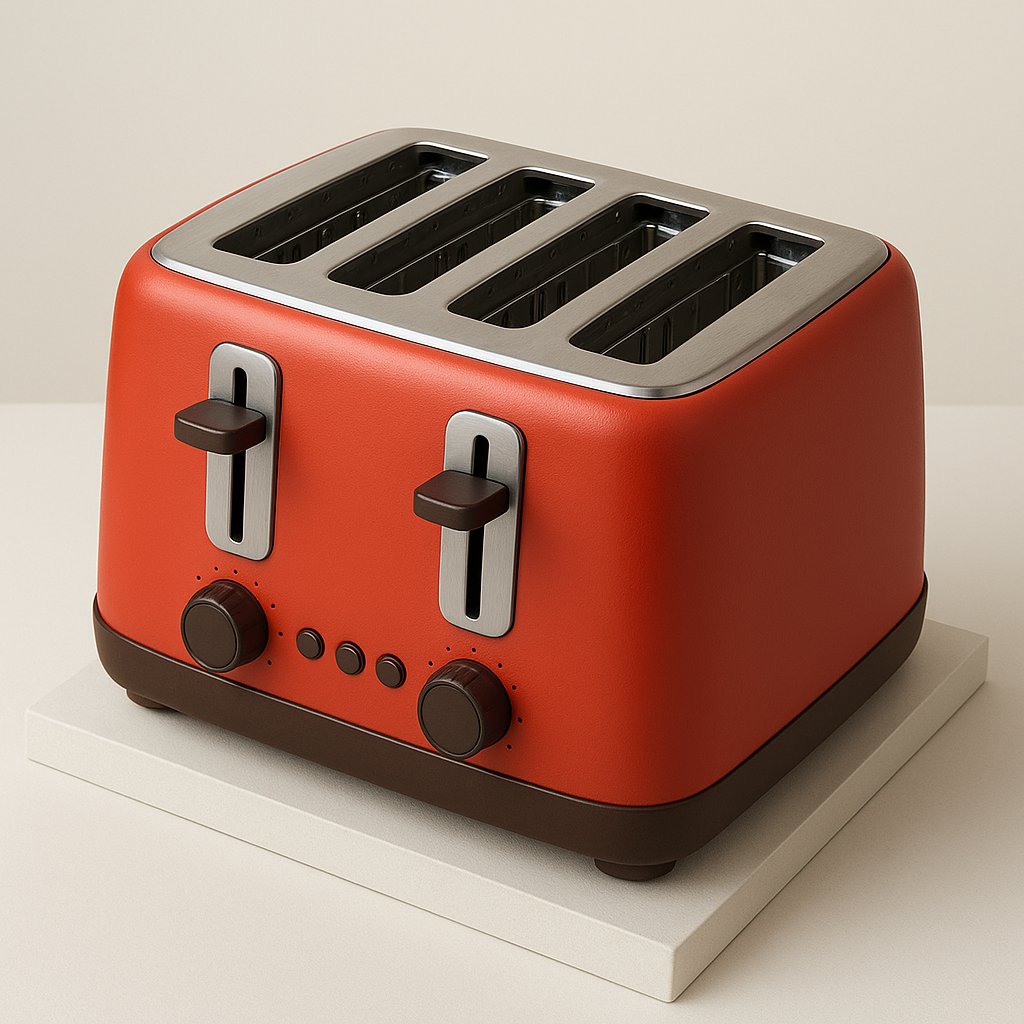
A four-slot toaster with two control zones for preparing different browning levels in the same breakfast round.
From £89.00
View product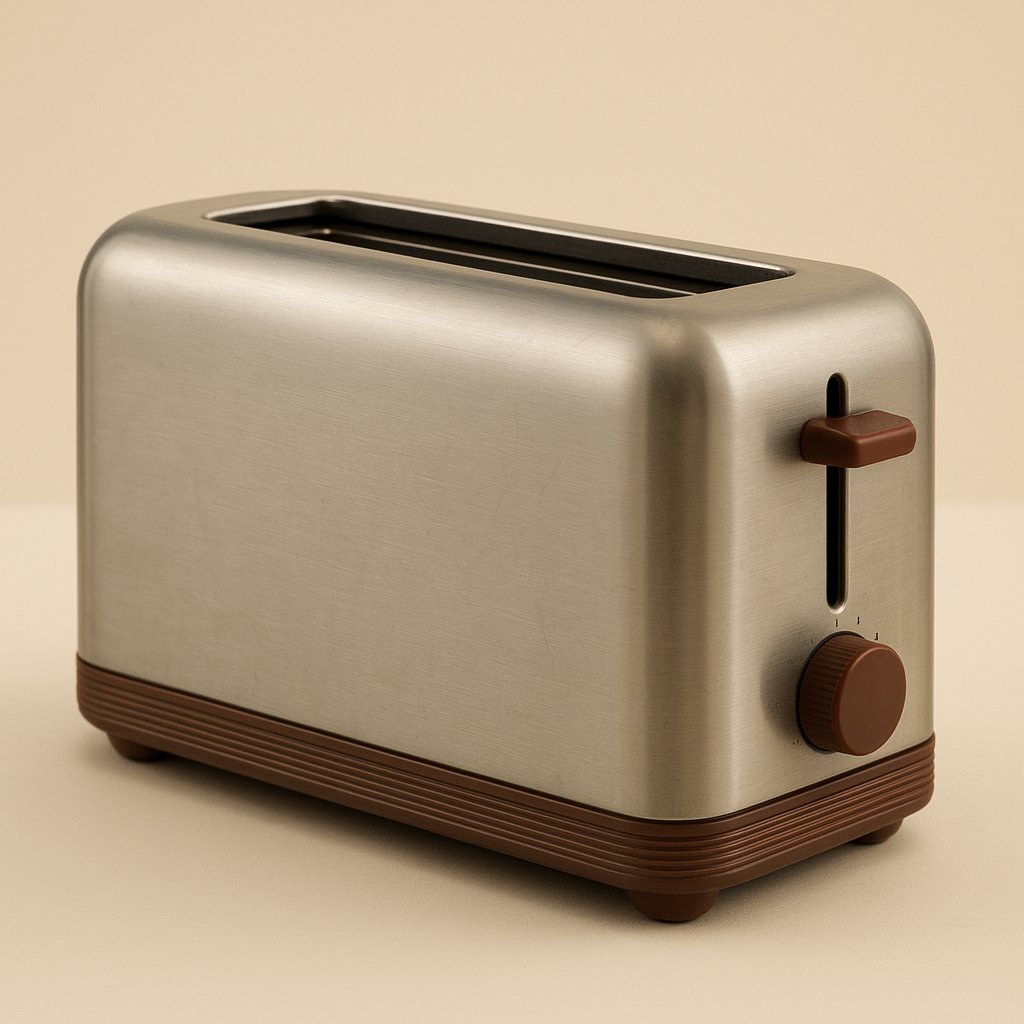
A single long-slot toaster designed for varied bread shapes, with browning, reheat and cancel controls.
From £69.00
View productBasket
0 items in cart
Your cart is saved in this browser until you clear it. Need help now? Contact us on +447908287537.